Moving to Geelong: Why It Is One of Australia’s Fastest Growing Regional Cities

Short answer: moving to Geelong appeals to people who want a regional city lifestyle within reach of Melbourne. The City of Greater Geelong's population was 295,052 at 30 June 2025 and is forecast to reach 441,984 by 2046 [1]. The Victorian Government has set Greater Geelong a target of 128,600 net new homes by 2051 [2], and the Northern and Western Geelong Growth Areas are planned for around 40,000 new homes [3]. For buyers, that means real choice between established suburbs and new estates, and a need to understand what growth means for each. Our Melbourne and Victorian buyers agent service can help.
TL;DR
Population: 295,052 in 2025, forecast 441,984 by 2046 [1].
Housing target: 128,600 new homes by 2051, including 51,000 greenfield [2].
Growth areas: about 40,000 homes for 112,000 people in the north and west [3].
Incentives: no duty for first home buyers up to $600,000 [4] and a $10,000 grant for new homes [5].
Geelong property investment needs careful suburb and supply analysis.
In this article
Why people are moving to Geelong
How much growth is planned
Established suburbs vs new estates
Costs, duty and grants
Buying rules in Victoria
Geelong property investment
A worked example
Moving to Geelong checklist
FAQs, recommended reading and references
Why people are moving to Geelong
Geelong combines a waterfront city centre, more than 50 suburbs and townships, and access to the Surf Coast and Bellarine [1]. The Council describes it as one of Australia's fastest growing regional cities [1]. Many newcomers are moving from Melbourne for more space at a lower cost, while others arrive for jobs in health, education, manufacturing and services. Across Victoria, the population grew 1.6 percent to 7,154,200 in the year to March 2026 [6], and the rest of Victoria outside Melbourne grew by 17,900 people in 2024 to 25 [7].
How much growth is planned
Under Plan for Victoria, the state needs an extra 2.24 million homes by 2051 [2]. A quarter of homes will be in regional Victoria, including 128,600 in Greater Geelong, 46,900 in Ballarat and 37,000 in Bendigo [8]. Geelong's target is split into 77,500 non greenfield homes and 51,000 greenfield homes [2].
The Northern and Western Geelong Growth Areas cover about 5,300 hectares and are expected to provide around 40,000 homes for about 112,000 people, through seven precinct structure plans including Batesford North and McCanns Lane [3]. That is a large pipeline. It supports the city's growth, but it also means plenty of new supply in outer areas for decades.

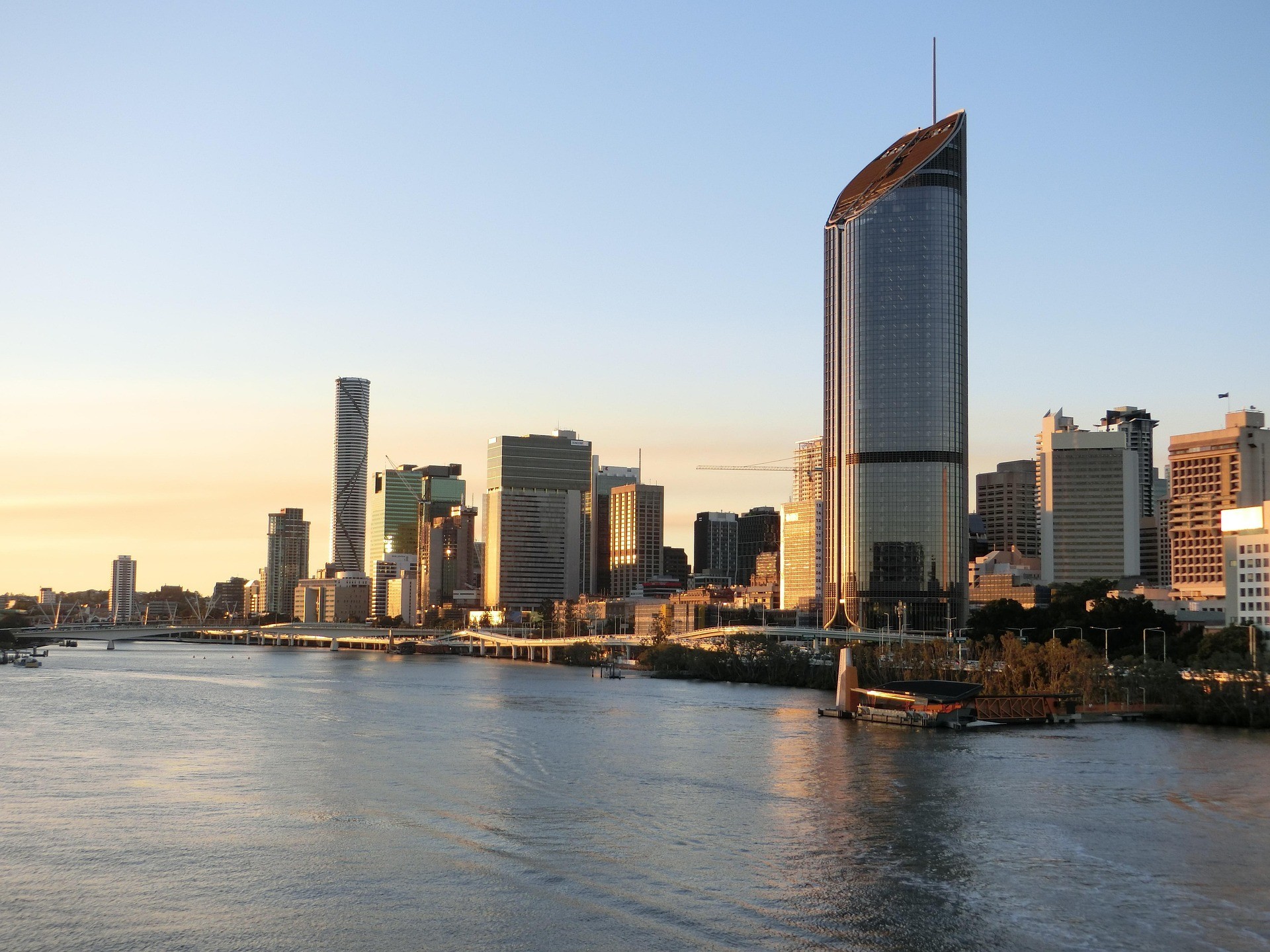
Illustrative image: lifestyle is a major reason people move to a coastal regional city like Geelong.
Established suburbs vs new estates
Established suburbs | New estates | |
|---|---|---|
Supply | Limited, mostly infill | Large pipeline [3] |
Services | In place | Arrive over time |
Incentives | Duty concessions may apply [4] | Grant for new homes may apply [5] |
Checks | Building condition [9] | Builder, contract and timing |
For long term value, established suburbs with limited land often hold up better than estates competing with large amounts of new supply, though new estates can suit first home buyers and families wanting a new home. Our property search service compares both on your brief.
Costs, duty and grants
Victorian first home buyers pay no duty on homes up to $600,000 and reduced duty up to $750,000 [4]. In 2024 to 25, there were 9,644 first home buyer duty concession payments in regional Victoria [10]. The First Home Owner Grant of $10,000 applies to eligible new homes up to $750,000 [5]. Other owner occupiers may receive a concession on homes up to $550,000 [11]. For other purchases, duty above $130,000 and up to $960,000 is $2,870 plus 6 percent of the value over $130,000 [12]; on a $700,000 home that is $37,070. Off the plan strata homes may qualify for a temporary concession [13]. Investors should note land tax applies once taxable land exceeds $50,000 [14].
Buying rules in Victoria
If you are moving from Queensland, note the differences. Victorian private residential sales usually have a three business day cooling off period [15]. At auction, bidding means accepting the contract on display [16]. From 1 October 2026, agents must disclose the seller's reserve price 7 days before auction and publish sold prices [17]. Consumer Affairs Victoria also suggests budgeting for legal fees, duty, inspections and ongoing costs such as council rates [18]. Our due diligence process adapts to Victorian rules.
Geelong property investment
Population growth supports rental demand, but investors should weigh it against the new supply pipeline [3]. Victorian unemployment was 5.1 percent in September [19], and the total value of Victorian dwellings fell 1.6 percent in the June quarter [20]. With the cash rate at 4.60 percent [21] and a 3 percentage point lending buffer [22], cash flow matters. A licensed buyer's agent acts only for the buyer and can access off market homes [23]. Our investment property strategy and investor support cover interstate purchases. For personal advice, see a licensed adviser [24].
A worked example
Consider a hypothetical Brisbane family relocating to Geelong for work. They compare a new four bedroom home in a northern growth area with an older three bedroom house in an established suburb closer to the city. The new home may qualify for the grant if eligible [5], but the estate will see years of new supply. The older home needs work but sits among limited land. After inspections and a commute test, they choose the established suburb. This example is illustrative only.
Moving to Geelong checklist
Decide between established suburbs and new estates.
Check growth area plans near any estate [3].
Confirm duty concessions and grant eligibility [4] [5].
Inspect thoroughly and check permits [9].
Understand Victorian cooling off and auction rules [15] [16].
Test the commute and local services.

Geelong growth at a glance.
FAQs
Is Geelong a good place to buy property?
It is growing quickly [1], but results depend on the suburb and supply nearby.
Can I buy in Geelong from interstate?
Yes. A buyer's agent can inspect and negotiate for you [23].
Are new estates a good investment?
They can be, but large new supply may limit price growth.
Plan your move
Book a free strategy call, see our locations or meet our Brisbane buyers agents.
Recommended reading
References
City of Greater Geelong, Community profile. Supports: Estimated resident population 295,052 at 30 June 2025 (ABS); more than 50 suburbs and townships; forecast to grow to 441,984 by 2046; one of Australia's fastest growing regional cities.
Victorian Government, Department of Transport and Planning, Housing targets (Plan for Victoria). Supports: Victoria needs an extra 2.24 million homes by 2051; Greater Geelong target 128,600 net new dwellings (77,500 non greenfield, 51,000 greenfield); greenfield share for Geelong and Ballarat set at 40 percent.
Victorian Planning Authority, Northern and Western Geelong Growth Areas. Supports: Largest greenfield planning project in regional Victoria, about 5,300 hectares; expected to provide around 40,000 new homes for about 112,000 people through seven precinct structure plans.
State Revenue Office Victoria, First home buyer duty exemption or concession. Supports: First home buyers pay no duty on homes with a dutiable value up to $600,000 and a reduced amount from $600,001 to $750,000; new or established homes or vacant land; must live there 12 continuous months within 12 months of settlement.
State Revenue Office Victoria, Understanding the First Home Owner Grant. Supports: $10,000 grant for eligible first home buyers buying or building a new home in Victoria worth up to $750,000; must live in it for at least 12 months starting within 12 months.
Australian Bureau of Statistics, National, state and territory population, March 2026. Supports: Victoria population 7,154,200 at 31 March 2026, up 109,500 (1.6 percent) over the year.
Australian Bureau of Statistics, Regional population, 2024 to 25. Supports: In 2024 to 25 Greater Melbourne grew by 105,000 people (2.0 percent) and the rest of Victoria by 17,900 (1.1 percent).
Premier of Victoria, More homes in Geelong. Supports: A quarter of new homes will be in regional Victoria by 2051, including 128,600 in Greater Geelong, 46,900 in Ballarat and 37,000 in Bendigo.
Consumer Affairs Victoria, Inspect properties before you buy. Supports: Check for structural problems, damp and termites; check the Section 32 statement and council permits for renovations; check whether the property is in a bushfire prone area.
State Revenue Office Victoria, First home buyer duty concession by year. Supports: 42,208 first home buyer duty concession payments worth $825.6 million in Victoria in 2024 to 25, up from 41,793 in 2023 to 24; 9,644 were regional.
State Revenue Office Victoria, Principal place of residence duty concession. Supports: Concession for homes valued up to $550,000 used as the buyer home for 12 straight months; example: a $550,000 house saves $3,100 ($24,970 instead of $28,070).
State Revenue Office Victoria, Land transfer duty, non principal place of residence (current rates). Supports: General rates from 1 July 2021: $2,870 plus 6 percent of value over $130,000 up to $960,000; 5.5 percent of value from $960,000 to $2,000,000; premium rate above $2,000,000.
State Revenue Office Victoria, Strata apartments and townhouses temporary concession. Supports: Temporary off the plan concession for dwellings in strata subdivisions with common property, contracts from 21 October 2024 and before 21 April 2027; deducts construction costs after the contract date from dutiable value; available to all buyers including investors; no value threshold.
State Revenue Office Victoria, Costs of buying and owning a property. Supports: Land tax applies when total taxable land value exceeds $50,000 for individuals; home is exempt; vacant residential land tax applies to residential land vacant more than 6 months in a calendar year.
Consumer Affairs Victoria, Buying property by private sale. Supports: Three business day cooling off for residential private sales; offers can be conditional on finance, sale of another property or inspections; sellers must have the due diligence checklist at open inspections.
Consumer Affairs Victoria, Buying property at auction. Supports: By bidding you accept the contract terms on display; no cooling off if a pre auction offer is accepted less than three clear business days before auction.
Consumer Affairs Victoria, Understanding property prices and underquoting for buyers. Supports: From 1 October 2026 agents must disclose the seller reserve price 7 days before auction, publish the final sold price, and use the new Property Price Statement; underquoting is illegal.
Consumer Affairs Victoria, Planning to buy property. Supports: Budget for legal fees, loan fees, land transfer duty, inspections and ongoing costs such as council rates and land tax; consider interest rate rises.
Australian Bureau of Statistics, Labour Force, Australia, September 2026. Supports: Seasonally adjusted September 2026: Victoria unemployment rate 5.1 percent with 3,822,800 employed; Australia 4.7 percent.
Australian Bureau of Statistics, Total Value of Dwellings, June Quarter 2026. Supports: Total value of residential dwellings in Victoria fell 1.6 percent ($44.3 billion) in the June quarter 2026.
Reserve Bank of Australia, Cash rate target. Supports: Cash rate target 4.60 percent effective 30 September 2026, after rises on 4 February, 18 March and 6 May 2026 (from 3.60 percent).
Australian Prudential Regulation Authority, APRA maintains current macroprudential policy settings in highly uncertain environment (28 May 2026). Supports: Mortgage serviceability buffer remains at 3 percentage points; high debt to income lending limits unchanged; the buffer helps new borrowers cope with higher expenses and rates.
Consumer Affairs Victoria, Seek expert advice on property. Supports: A buyer's agent (buyer's advocate) is a licensed estate agent who acts for the buyer for a fee; can access off market properties, assess value, negotiate or bid at auction; an agent cannot act for buyer and seller on the same transaction.
Moneysmart (ASIC), Choosing a financial adviser. Supports: Advisers usually give personal advice tailored to your objectives and situation; understand general versus personal advice; not all advisers offer the same services.
Continue Reading
Explore ideas, trends, and behind-the-scenes stories from our studio.