Victorian Housing Supply Crunch: 2026 Finance Trends

Short answer: the Victorian housing supply crunch is the gap between a fast growing population and the number of homes being built where people want to live. Victoria added 109,500 people in the year to March 2026 [1], and the Victorian Government says the state needs to build more homes every year for the next decade [2]. The finance trends that began in 2025 have since shifted: rates rose again in 2026 [3], lending slowed [4], and the total value of Victorian dwellings fell 1.6 percent in the June quarter [5]. For buyers, that combination means opportunity, but only with careful finance and due diligence. Our Melbourne buyers agent team can help you read the market.
TL;DR
Demand: Victoria's population grew 1.6 percent to 7,154,200 [1].
Supply: approvals rose 8.9 percent in August 2026 [6], but the government says more homes are needed every year [2].
Finance: the cash rate is 4.60 percent [3] and lenders test borrowers at a 3 percentage point buffer [7].
Incentives: no duty for first home buyers up to $600,000 [8], a $10,000 grant for new homes [9] and an off the plan concession for strata homes [10].
New price transparency rules started on 1 October 2026 [11].
In this article
What the supply crunch means
Demand: population growth
Supply: approvals and government targets
Finance trends from 2025 to 2026
Duty, tax and incentives
New rules for buyers
What it means for buyers and investors
A worked example
FAQs, recommended reading and references
What the supply crunch means
A supply crunch does not mean prices only go up. It means there are not enough of the right homes in the right places, so well located homes stay in demand even when the wider market softens. That is why the Victorian market can show falling total dwelling values [5] and strong competition for particular homes at the same time.
Demand: population growth
Victoria's population reached 7,154,200 at 31 March 2026, up 109,500 or 1.6 percent over the year [1]. That growth needs housing, especially near jobs, transport and schools. Demand is not spread evenly: established suburbs with good access often face the tightest supply.
Supply: approvals and government targets
Seasonally adjusted dwelling approvals in Victoria rose 8.9 percent to 5,163 in August 2026, with private sector house approvals up 0.5 percent to 3,044 [6]. The Victorian Government says more than 52,000 new homes were approved in the past year and that the state needs to build more homes each year over the next 10 years, with a focus on homes close to trams, trains and services [2]. Approvals are not completions, so new supply arrives slowly.
Policy is also nudging supply. A temporary off the plan duty concession for apartments and townhouses in strata subdivisions applies to contracts from 21 October 2024 and before 21 April 2027, and it is available to all buyers, including investors [10]. Vacant residential land tax applies to residential land left vacant for more than 6 months in a calendar year [12], at rates rising from 1 percent to 3 percent of capital improved value the longer it remains liable [13].

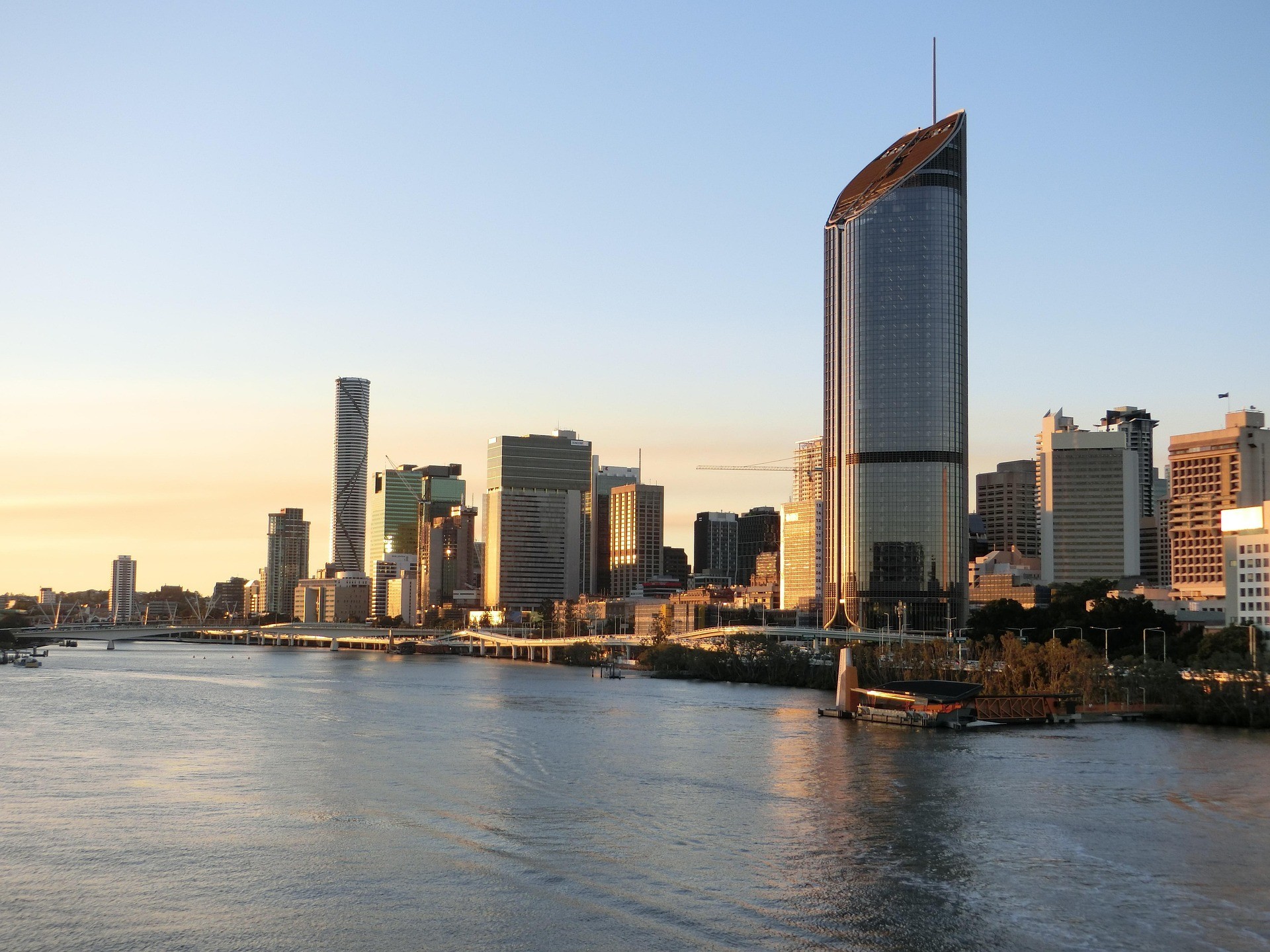
Illustrative image: approvals are rising, but new homes take time to reach the market.
Finance trends from 2025 to 2026
In 2025 many buyers expected lower rates. That changed in 2026. The RBA raised the cash rate four times to 4.60 percent from 30 September 2026 [3], saying inflation remains elevated, housing prices have fallen in most capital cities and new loans have declined [14]. Trimmed mean inflation was 3.6 percent over the year to September [15]. Nationally, new dwelling loan commitments fell 5.4 percent in the June quarter, with investor loans down 8.6 percent [4].
APRA has kept the serviceability buffer at 3 percentage points [7], so borrowing capacity is tested at well above actual rates. Compare loans carefully: a rate even 0.2 percent lower can save thousands [16], and fixed and variable loans have different flexibility and break costs [17]. Moneysmart suggests a deposit goal of 20 percent plus buying costs [18].
Duty, tax and incentives
First home buyers. No duty on homes up to $600,000 and reduced duty from $600,001 to $750,000, for new or established homes [8]. In 2024 to 25 there were 42,208 first home buyer duty concession payments in Victoria worth $825.6 million [19].
First Home Owner Grant. $10,000 for eligible new homes valued up to $750,000 [9].
Principal place of residence concession. For homes up to $550,000; a $550,000 house saves $3,100 [20].
General duty. Above $130,000 and up to $960,000, duty is $2,870 plus 6 percent of the value over $130,000 [21]. On an $800,000 investment property, that is $43,070.
Foreign purchasers. An additional 8 percent duty applies [22].
Land tax. Applies when total taxable land exceeds $50,000 for individuals; your home is exempt [12].
New rules for buyers
From 1 October 2026, Victorian agents must disclose the seller's reserve price 7 days before auction, publish the final sold price once a sale is unconditional, and use the new Property Price Statement [11]. Private residential sales usually carry a three business day cooling off period [23], while bidding at auction means accepting the contract terms on display [24]. Off the plan deposits are capped at 10 percent [25].
What it means for buyers and investors
Owner occupiers can use softer conditions to negotiate, but should focus on well located homes that will stay in demand.
First home buyers should check whether the duty exemption or grant changes which homes are affordable [8] [9].
Investors should model land tax [12] and duty [21], and consider whether the off the plan concession suits their strategy [10].
A licensed buyer's agent acts only for the buyer and can access off market properties and negotiate for you [26]. See our buyers advocate service, investment property strategy and support for property investors.
A worked example
Consider a hypothetical first home buyer in Melbourne choosing between an established unit at $590,000 and a new townhouse at $740,000. The unit falls under the $600,000 threshold, so no duty applies [8]. The townhouse attracts reduced duty but may qualify for the $10,000 grant as a new home [9]. Comparing the total cost, location and long term demand for each helps the buyer decide. Eligibility must be confirmed with the SRO. This example is illustrative only.

Victorian supply and finance at a glance.
FAQs
Will the supply crunch push Melbourne prices up?
Not automatically. Dwelling values fell in the June quarter [5]. Supply pressure matters most for well located homes.
Is buying off the plan a good idea?
It can reduce duty [10], but check the developer, the contract and the sunset date [25].
Can a Brisbane based agency help in Victoria?
Yes. See our locations or Brisbane buyers agent page for how we work across markets.
Plan your Victorian purchase
Book a free strategy call or review our due diligence process.
Recommended reading
References
Australian Bureau of Statistics, National, state and territory population, March 2026. Supports: Victoria population 7,154,200 at 31 March 2026, up 109,500 (1.6 percent) over the year.
Victorian Government, More homes for Victorians. Supports: Government says Victoria approved more than 52,000 new homes in the past year and needs to build more homes each year over the next 10 years to increase supply.
Reserve Bank of Australia, Cash rate target. Supports: Cash rate target 4.60 percent effective 30 September 2026, after rises on 4 February, 18 March and 6 May 2026 (from 3.60 percent).
Australian Bureau of Statistics, Lending indicators, June Quarter 2026. Supports: June quarter 2026: 134,225 new dwelling loan commitments (down 5.4 percent); investor commitments 52,599 (down 8.6 percent); first home buyers 29,319.
Australian Bureau of Statistics, Total Value of Dwellings, June Quarter 2026. Supports: Total value of residential dwellings in Victoria fell 1.6 percent ($44.3 billion) in the June quarter 2026.
Australian Bureau of Statistics, Building Approvals, Australia, August 2026. Supports: August 2026, seasonally adjusted: Victoria total dwelling approvals rose 8.9 percent to 5,163; private sector houses rose 0.5 percent to 3,044.
Australian Prudential Regulation Authority, APRA maintains current macroprudential policy settings in highly uncertain environment (28 May 2026). Supports: Mortgage serviceability buffer remains at 3 percentage points; high debt to income lending limits unchanged; the buffer helps new borrowers cope with higher expenses and rates.
State Revenue Office Victoria, First home buyer duty exemption or concession. Supports: First home buyers pay no duty on homes with a dutiable value up to $600,000 and a reduced amount from $600,001 to $750,000; new or established homes or vacant land; must live there 12 continuous months within 12 months of settlement.
State Revenue Office Victoria, Understanding the First Home Owner Grant. Supports: $10,000 grant for eligible first home buyers buying or building a new home in Victoria worth up to $750,000; must live in it for at least 12 months starting within 12 months.
State Revenue Office Victoria, Strata apartments and townhouses temporary concession. Supports: Temporary off the plan concession for dwellings in strata subdivisions with common property, contracts from 21 October 2024 and before 21 April 2027; deducts construction costs after the contract date from dutiable value; available to all buyers including investors; no value threshold.
Consumer Affairs Victoria, Understanding property prices and underquoting for buyers. Supports: From 1 October 2026 agents must disclose the seller reserve price 7 days before auction, publish the final sold price, and use the new Property Price Statement; underquoting is illegal.
State Revenue Office Victoria, Costs of buying and owning a property. Supports: Land tax applies when total taxable land value exceeds $50,000 for individuals; home is exempt; vacant residential land tax applies to residential land vacant more than 6 months in a calendar year.
State Revenue Office Victoria, Vacant residential land tax (current rates). Supports: VRLT is 1 percent of capital improved value in the first year, 2 percent in the second and 3 percent for three or more consecutive years.
Reserve Bank of Australia, Statement by the Monetary Policy Board: Monetary Policy Decision (29 September 2026). Supports: Board raised the cash rate target by 25 basis points to 4.60 percent; inflation remains elevated; housing prices have fallen in most capital cities and new housing loans have declined noticeably.
Australian Bureau of Statistics, Consumer Price Index, Australia, September 2026. Supports: Trimmed mean annual inflation 3.6 percent in the 12 months to September 2026.
Moneysmart (ASIC), Choosing a home loan. Supports: A rate even 0.2 percent lower could save thousands over time; weigh fixed, variable and split options.
Moneysmart (ASIC), Fixed vs variable home loan interest rates. Supports: Fixed rates usually set for one to five years then revert to variable; break fees may apply; variable loans often allow extra repayments, offset and redraw; split loans combine both.
Moneysmart (ASIC), Buying a house. Supports: A good deposit goal is 20 percent of the price plus buying costs such as stamp duty, legal fees and inspections; 20 percent can help avoid mortgage insurance.
State Revenue Office Victoria, First home buyer duty concession by year. Supports: 42,208 first home buyer duty concession payments worth $825.6 million in Victoria in 2024 to 25, up from 41,793 in 2023 to 24; 9,644 were regional.
State Revenue Office Victoria, Principal place of residence duty concession. Supports: Concession for homes valued up to $550,000 used as the buyer home for 12 straight months; example: a $550,000 house saves $3,100 ($24,970 instead of $28,070).
State Revenue Office Victoria, Land transfer duty, non principal place of residence (current rates). Supports: General rates from 1 July 2021: $2,870 plus 6 percent of value over $130,000 up to $960,000; 5.5 percent of value from $960,000 to $2,000,000; premium rate above $2,000,000.
State Revenue Office Victoria, Foreign purchaser additional duty (current rates). Supports: Foreign purchaser additional duty is 8 percent for contracts on or after 1 July 2019.
Consumer Affairs Victoria, Buying property by private sale. Supports: Three business day cooling off for residential private sales; offers can be conditional on finance, sale of another property or inspections; sellers must have the due diligence checklist at open inspections.
Consumer Affairs Victoria, Buying property at auction. Supports: By bidding you accept the contract terms on display; no cooling off if a pre auction offer is accepted less than three clear business days before auction.
Consumer Affairs Victoria, Buying off the plan. Supports: Deposit for off the plan purchases is no more than 10 percent; buyer can end the contract if the plan of subdivision is not registered by the contract time or the default 18 months.
Consumer Affairs Victoria, Seek expert advice on property. Supports: A buyer's agent (buyer's advocate) is a licensed estate agent who acts for the buyer for a fee; can access off market properties, assess value, negotiate or bid at auction; an agent cannot act for buyer and seller on the same transaction.
Continue Reading
Explore ideas, trends, and behind-the-scenes stories from our studio.