Property Investors Brisbane | Portfolio Growth and Yield | Quantum Buyers Agents

Property Investment Buyers Agent Brisbane

You've done the hard part. You've got careers, income, and a home. Now you're looking at what's next and property keeps coming up. Not because it's trendy. Because the people around you who've built real wealth did it through property. And you're starting to think maybe it's time to stop watching and start doing.

The problem isn't motivation. You've got that. The problem is knowing what to buy, where, when, and how to do it without making a mistake that costs you years.

That's exactly what we do.



Property investing Brisbane Quantum Buyers Agents
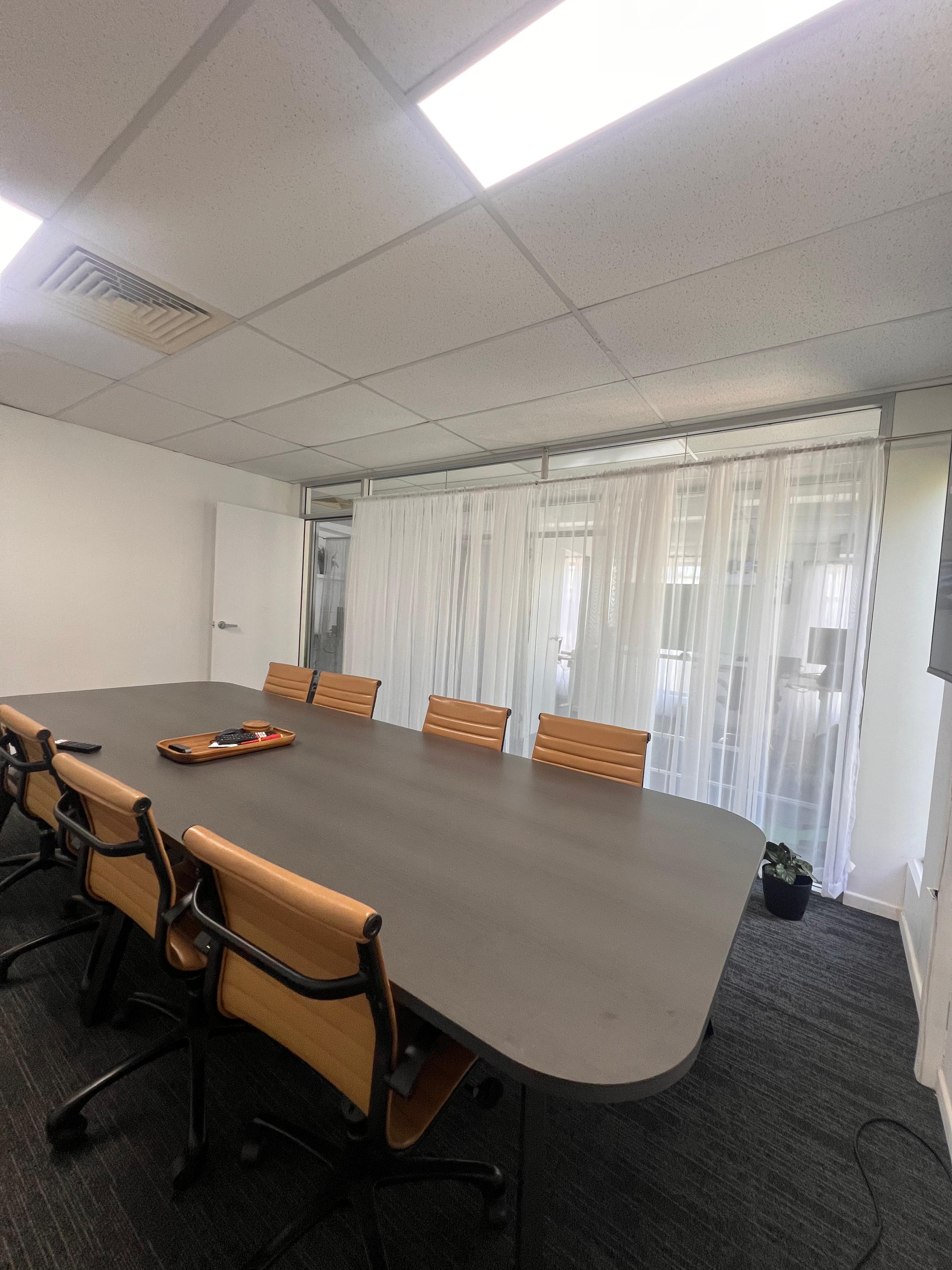
Quantum Buyers Agents Office Hamilton Brisbane

Property Investment - Build Your Wealth Early

We work with couples across Brisbane, the Gold Coast and Melbourne who are earning well, ready to invest, and want someone to show them the path. Not a sales pitch. Not a course. A real plan, built around your situation, with someone in your corner for every step.

  • Access to high-quality on and off-market investment opportunities that aren’t available to the general public

  • Strategy-first approach focused on long-term capital growth, not short-term wins

  • Data-backed suburb selection based on proven growth indicators, not hype

  • End-to-end acquisition support so you can invest with clarity and confidence

  • We negotiate purely on your behalf, ensuring you never overpay

  • Proven track record of helping clients build and scale property portfolios

  • Clear, structured process designed to remove emotion and reduce risk

  • We do the heavy lifting, from sourcing to securing, so you can focus on the bigger picture

You're Not Behind, But the Next Move Matters

Here's what most couples in your position get wrong: they wait.

They wait until they know more. They wait until the market drops. They wait until they feel ready. And every year they wait, the goalposts move further out.

The couples who actually build wealth through property didn't start with all the answers. They started with a plan and the right people around them.

That's the difference. Not luck. Not timing. Structure.

We've helped hundreds of couples go from "we should probably invest in property" to actually owning multiple properties, generating real passive income, and building genuine wealth. The ones who do it fastest are the ones who stop trying to figure it all out themselves and let someone who does this every day show them the way.


What's Actually Holding You Back?

Let's be honest about the things that keep you up at night — because we've heard every single one, and they're all valid.


What if we buy the wrong property?

This is the big one. And it's a real risk — if you don't know what you're doing. We've seen people buy investment properties that never grow in value, that sit vacant for months, that come with surprise costs that eat into every dollar of rent. That's what happens without due diligence. With us, every property we recommend goes through a rigorous assessment before you even inspect it. Comparable sales, rental demand, flood overlays, zoning, building condition, strata health — we check everything. You'll know more about the property than the selling agent wants you to.


Can we actually afford this?

Good question, but let's check properly — not with a feeling, with numbers. We look at your income, your existing mortgage, your expenses, your borrowing capacity, and your buffer. Then we model what the investment property actually costs to hold — after tax, after rent, after everything. For most couples on a combined $250K, the numbers work better than they think. And we'll tell you honestly if they don't.

What about the tax side? We're not accountants

Neither are we. But we've worked alongside accountants and financial advisors for years, and we've seen how the right investment structure has saved our clients tens of thousands in tax. We can walk you through how depreciation, negative gearing, and trust structures have worked for other clients in your situation — and we'll always recommend you get proper tax advice before making decisions. We're not here to give you tax advice. We're here to make sure the property you buy works with whatever structure your accountant recommends.

What if interest rates go up?

We stress-test every purchase. We model the numbers at current rates, plus 1%, plus 2%. If the property still works when rates climb, you're in a strong position. If it only works at today's rates, that's a red flag — and we'll tell you. The goal is to buy properties that can weather the storm, not ones that only work in perfect conditions.

We don't want to stretch ourselves too thin.

Smart. move, and we won't let you. The biggest mistake we see is couples buying too aggressively too early, then getting stuck when life throws something at them. We build a strategy that includes buffer — cash reserve, serviceability headroom, and an exit plan if things change. Growth matters, but so does sleep at night.

How To Go From One Property, to a Portfolio

This is the part most buyers agents don't explain well. So let's lay it out.

Step 1: Buy your first investment property (or your next one)

If you've already got one investment property, great — the next one is usually easier than the first. If you haven't started yet, that's fine too. We start by understanding where you're at, what you can afford, and what your goals actually look like in five and ten years.

Then we build a shortlist of suburbs and properties that match. Not random suburbs. Not whatever's trending on social media. Suburbs where the data supports capital growth and rental demand, at price points that make sense for your budget.

Step 2: Hold, build equity, and plan the next move

The first property does the heavy lifting. Over two to three years, you build equity through capital growth and loan paydown. That equity becomes the deposit for property number two.

This is where most couples get stuck, they don't know how to release equity, how to restructure their lending, how to force value, or whether they even qualify for a second loan. We work with mortgage brokers who specialise in portfolio lending. They know how to structure multiple properties across lenders, how to use equity without overleveraging, and how to keep your serviceability intact for property three, four and five.

Step 3: Repeat with discipline

The strategy doesn't change much between property one and property four. You buy well, you hold, you build equity, you move again. What changes is the complexity, more loans, more properties to manage, more tax considerations. That's where having a team who's done this with other couples makes the difference. We've helped clients acquire three to five properties in a single year. We've also helped clients who took five years between purchases. There's no right speed, there's only the right strategy for your situation.

How We Help (Without the Fluff)

This is the part most buyers agents don't explain well. So let's lay it out.

We find the property.

Not just listings. Off-market deals, pre-market opportunities, and properties that match your strategy. Over 76% of what we buy is never publicly listed.

We do the due diligence.

Flood overlays, zoning, building reports, strata records, rental appraisals, comparable sales. We check everything so you don't buy a problem.

We negotiate the price.

We price every property before we negotiate. Then we negotiate with evidence, not emotion. Our clients save tens of thousands on average — and we can show you the numbers.

We manage the process.

From offer to settlement, we coordinate everything. Conveyancer, broker, inspector, property manager. You don't need to chase anyone. We handle it.

We stay in your corner.

We're not here for one transaction. We're here for the portfolio. When you're ready for property two, three or four, we're already across your strategy. No starting from scratch.



Property Investing Brisbane

What This Actually Looks Like, A Real Example

What This Actually Looks Like, A Real Example

James and Sarah earn a combined $240K. They own their home in Brisbane with about $350K equity. They wanted to start investing but had no idea where to begin.

Here's what we did:

1. Strategy session — mapped their goals, risk tolerance, budget and borrowing capacity

2. Stress-tested the numbers at current rates plus 2%

3. Shortlisted four suburbs with strong rental demand and capital growth history

4. Found an off-market property in Indooroopilly — 3-bedroom house, good bones, below market value

5. Comparable sales analysis showed it was worth $780K. We negotiated it for $738K

6. Due diligence: no flood overlay, solid building report, rental appraisal of $620/week

7. Settled in 23 days. Property is now rented, positively geared after tax, and has already gained $45K in value.

Here's what we did:

1. Strategy session — mapped their goals, risk tolerance, budget and borrowing capacity

2. Stress-tested the numbers at current rates plus 2%

3. Shortlisted four suburbs with strong rental demand and capital growth history

4. Found an off-market property in Indooroopilly — 3-bedroom house, good bones, below market value

5. Comparable sales analysis showed it was worth $780K. We negotiated it for $738K

6. Due diligence: no flood overlay, solid building report, rental appraisal of $620/week

7. Settled in 23 days. Property is now rented, positively geared after tax, and has already gained $45K in value.

Property Investing Brisbane

Frequently Asked Questions For Property Investors

We've got a mortgage on our home — can we still invest in property?
icon

In most cases, yes. A home mortgage doesn't disqualify you from investing — it just changes how the numbers work. We look at your existing repayments, your borrowing capacity, and your equity position, then model what an investment property would actually cost you to hold after rental income and tax benefits. For most couples on a combined income above $200K, there's more capacity than they think. And if the numbers don't work yet, we'll tell you honestly and help you build a plan to get there.

How much do we need for a deposit on an investment property?
icon

Typically 10–20% of the purchase price, plus stamp duty and costs. But it depends on your situation. Some couples use equity in their home as a deposit — which means you don't need to save a lump sum from scratch. We work with mortgage brokers who can map out exactly what you need and where it can come from, including equity release strategies that keep your cash buffer intact.

What's the difference between negative gearing and positive cash flow — and which should we aim for?
icon

Negative gearing means the property costs you more to hold than it returns in rent — but the loss reduces your taxable income. Positive cash flow means the rent covers all expenses and puts money in your pocket. Both have their place. For couples on a higher tax bracket, negative gearing can be effective in the early years. But we always recommend buying properties that have the potential to become positively geared over time — because relying on tax losses forever isn't a strategy, it's a gamble. We'll model both scenarios for you.

How do we know if a suburb is going to grow?
icon

We don't guess. We look at vacancy rates, median price trends, days on market, population growth, infrastructure spending, and supply constraints. Then we compare that data across suburbs to find the ones where the fundamentals are strongest. We've been doing this in Brisbane for years — we know which suburbs are being driven by genuine demand and which ones are being hyped by marketing.

What happens if we need to sell?
icon

Sometimes life changes and you need to exit a property. We can advise on timing, pricing, and whether selling or holding makes more sense based on current market conditions. We're not here to pressure you into holding forever if it doesn't make sense — we're here to make sure every decision is strategic.

How is this different from just buying a property myself on realestate.com.au?
icon

Two ways. First, access. Over 76% of the properties we purchase are off-market — they never appear on any listing site. Second, expertise. We negotiate every day. We know what a property is worth before we walk through the door, and we know how to secure it at the right price. Most buyers overpay because they're emotional, they don't have comparable data, and they're negotiating against an agent who does this for a living. Level the playing field.

Do we need to set up a trust or company structure before buying?
icon

Not necessarily — and this is a question for your accountant, not your buyers agent. What we can tell you is that the structure you buy in affects your tax position, asset protection, and future borrowing capacity. We've worked with clients who've bought in their personal names, in family trusts, in SMSFs, and through companies. Each has pros and cons. We'll make sure the property we find works with whatever structure your advisor recommends — and if you don't have an advisor, we can connect you with one.

Still have a question in mind?
We've got a mortgage on our home — can we still invest in property?
icon

In most cases, yes. A home mortgage doesn't disqualify you from investing — it just changes how the numbers work. We look at your existing repayments, your borrowing capacity, and your equity position, then model what an investment property would actually cost you to hold after rental income and tax benefits. For most couples on a combined income above $200K, there's more capacity than they think. And if the numbers don't work yet, we'll tell you honestly and help you build a plan to get there.

How much do we need for a deposit on an investment property?
icon

Typically 10–20% of the purchase price, plus stamp duty and costs. But it depends on your situation. Some couples use equity in their home as a deposit — which means you don't need to save a lump sum from scratch. We work with mortgage brokers who can map out exactly what you need and where it can come from, including equity release strategies that keep your cash buffer intact.

What's the difference between negative gearing and positive cash flow — and which should we aim for?
icon

Negative gearing means the property costs you more to hold than it returns in rent — but the loss reduces your taxable income. Positive cash flow means the rent covers all expenses and puts money in your pocket. Both have their place. For couples on a higher tax bracket, negative gearing can be effective in the early years. But we always recommend buying properties that have the potential to become positively geared over time — because relying on tax losses forever isn't a strategy, it's a gamble. We'll model both scenarios for you.

How do we know if a suburb is going to grow?
icon

We don't guess. We look at vacancy rates, median price trends, days on market, population growth, infrastructure spending, and supply constraints. Then we compare that data across suburbs to find the ones where the fundamentals are strongest. We've been doing this in Brisbane for years — we know which suburbs are being driven by genuine demand and which ones are being hyped by marketing.

What happens if we need to sell?
icon

Sometimes life changes and you need to exit a property. We can advise on timing, pricing, and whether selling or holding makes more sense based on current market conditions. We're not here to pressure you into holding forever if it doesn't make sense — we're here to make sure every decision is strategic.

How is this different from just buying a property myself on realestate.com.au?
icon

Two ways. First, access. Over 76% of the properties we purchase are off-market — they never appear on any listing site. Second, expertise. We negotiate every day. We know what a property is worth before we walk through the door, and we know how to secure it at the right price. Most buyers overpay because they're emotional, they don't have comparable data, and they're negotiating against an agent who does this for a living. Level the playing field.

Do we need to set up a trust or company structure before buying?
icon

Not necessarily — and this is a question for your accountant, not your buyers agent. What we can tell you is that the structure you buy in affects your tax position, asset protection, and future borrowing capacity. We've worked with clients who've bought in their personal names, in family trusts, in SMSFs, and through companies. Each has pros and cons. We'll make sure the property we find works with whatever structure your advisor recommends — and if you don't have an advisor, we can connect you with one.

Still have a question in mind?
We've got a mortgage on our home — can we still invest in property?
icon

In most cases, yes. A home mortgage doesn't disqualify you from investing — it just changes how the numbers work. We look at your existing repayments, your borrowing capacity, and your equity position, then model what an investment property would actually cost you to hold after rental income and tax benefits. For most couples on a combined income above $200K, there's more capacity than they think. And if the numbers don't work yet, we'll tell you honestly and help you build a plan to get there.

How much do we need for a deposit on an investment property?
icon

Typically 10–20% of the purchase price, plus stamp duty and costs. But it depends on your situation. Some couples use equity in their home as a deposit — which means you don't need to save a lump sum from scratch. We work with mortgage brokers who can map out exactly what you need and where it can come from, including equity release strategies that keep your cash buffer intact.

What's the difference between negative gearing and positive cash flow — and which should we aim for?
icon

Negative gearing means the property costs you more to hold than it returns in rent — but the loss reduces your taxable income. Positive cash flow means the rent covers all expenses and puts money in your pocket. Both have their place. For couples on a higher tax bracket, negative gearing can be effective in the early years. But we always recommend buying properties that have the potential to become positively geared over time — because relying on tax losses forever isn't a strategy, it's a gamble. We'll model both scenarios for you.

How do we know if a suburb is going to grow?
icon

We don't guess. We look at vacancy rates, median price trends, days on market, population growth, infrastructure spending, and supply constraints. Then we compare that data across suburbs to find the ones where the fundamentals are strongest. We've been doing this in Brisbane for years — we know which suburbs are being driven by genuine demand and which ones are being hyped by marketing.

What happens if we need to sell?
icon

Sometimes life changes and you need to exit a property. We can advise on timing, pricing, and whether selling or holding makes more sense based on current market conditions. We're not here to pressure you into holding forever if it doesn't make sense — we're here to make sure every decision is strategic.

How is this different from just buying a property myself on realestate.com.au?
icon

Two ways. First, access. Over 76% of the properties we purchase are off-market — they never appear on any listing site. Second, expertise. We negotiate every day. We know what a property is worth before we walk through the door, and we know how to secure it at the right price. Most buyers overpay because they're emotional, they don't have comparable data, and they're negotiating against an agent who does this for a living. Level the playing field.

Do we need to set up a trust or company structure before buying?
icon

Not necessarily — and this is a question for your accountant, not your buyers agent. What we can tell you is that the structure you buy in affects your tax position, asset protection, and future borrowing capacity. We've worked with clients who've bought in their personal names, in family trusts, in SMSFs, and through companies. Each has pros and cons. We'll make sure the property we find works with whatever structure your advisor recommends — and if you don't have an advisor, we can connect you with one.

Still have a question in mind?

Start the Conversation

The right time to create clarity is before the search begins. A short discussion will confirm your objectives, highlight risks and map the right path forward. Whether you are preparing for your first purchase, an investment or a relocation, we are ready to help you move with confidence.